Should You Sell or Store Your Car While Cruising the Great Loop?
Embarking on the Great Loop is an adventure of a lifetime, but it comes with unique logistical challenges—one of the biggest being what to do with your car.
Should you sell it and say goodbye to those monthly costs, or store it for convenience when you’re back on land? Let’s weigh the pros and cons of each option and explore how to make the most practical decision for your Looping journey.
The Case for Selling Your Car
Selling your car can simplify your life and reduce expenses while on the water. Without a vehicle to worry about, you’ll avoid monthly insurance payments, potential depreciation, and storage fees.
✅ Advantages of Selling:
Financial Relief:
Eliminate ongoing insurance, maintenance, and registration costs.Immediate Cash:
Selling your car can provide funds to help cover the costs of your Loop adventure.One Less Responsibility:
No need to worry about vehicle upkeep or potential damage during long-term storage.
🤔 Things to Consider Before Selling:
Do You Need a Car When You’re Back?
If you plan to stay land-based between Looping adventures, you might need to repurchase a vehicle later, which could cost more.Market Timing:
Research the current used car market to ensure you’re selling at a time when you can get the best value.Alternative Transportation:
Be sure to account for car rentals or other transportation needs during port stops.
📋 Tips for Selling Your Car:
Research Market Value:
Use online tools like Kelley Blue Book or Edmunds to set a competitive price.Clean and Maintain:
A detailed car and updated maintenance records can increase buyer confidence.Sell at the Right Time:
Aim to sell when demand is high, such as early summer or during back-to-school months.Consider Private Sales:
Selling directly to buyers often nets a higher return than trading in.
The Case for Storing Your Car
Long-term storage could be the way to go if your car is reliable and you’d rather keep it for post-Loop use. This option ensures you have a vehicle ready when you need it and can save the hassle of car shopping later.
✅ Advantages of Storing:
Convenience:
Your car will be ready for use when your trip is over.Cost Comparison:
Long-term storage fees and minimal maintenance may still cost less than selling and buying a replacement.Sentimental Value:
If you’re attached to your car, storage lets you keep it without disruption.
🤔 Things to Consider Before Storing:
Storage Costs:
Research secure, climate-controlled storage facilities and compare costs.Potential Depreciation:
Even in storage, your car may lose value over time.Insurance Adjustments:
Contact your insurer about storage-specific coverage to reduce premiums.
📋 Tips for Long-Term Storage:
Prep the Battery:
Use a battery tender or disconnect the battery to prevent drainage.Fill the Tank:
Top off the gas tank and add a fuel stabilizer to prevent condensation.Protect the Tires:
Inflate tires to the recommended pressure and consider using tire cradles to prevent flat spots.Secure Storage:
Choose a facility with robust security and consider a car cover for added protection.
What’s Right for You?
The decision to sell or store your car depends on your unique situation.
How long will you be Looping?
Do you have a reliable alternative for transportation during your trip?
What’s the financial impact of each option?
By carefully considering these factors, you can choose the option that aligns best with your needs and budget.
We Want to Hear From You!
What do you plan to do with your car while cruising the Great Loop? Are you selling, storing, or taking another route entirely? Share your thoughts and experiences in the comments below—we’d love to hear what’s working for you.
Don’t forget to subscribe to our weekly newsletter for more Looping tips, and check out our YouTube channel and podcast for stories, advice, and inspiration for your journey!
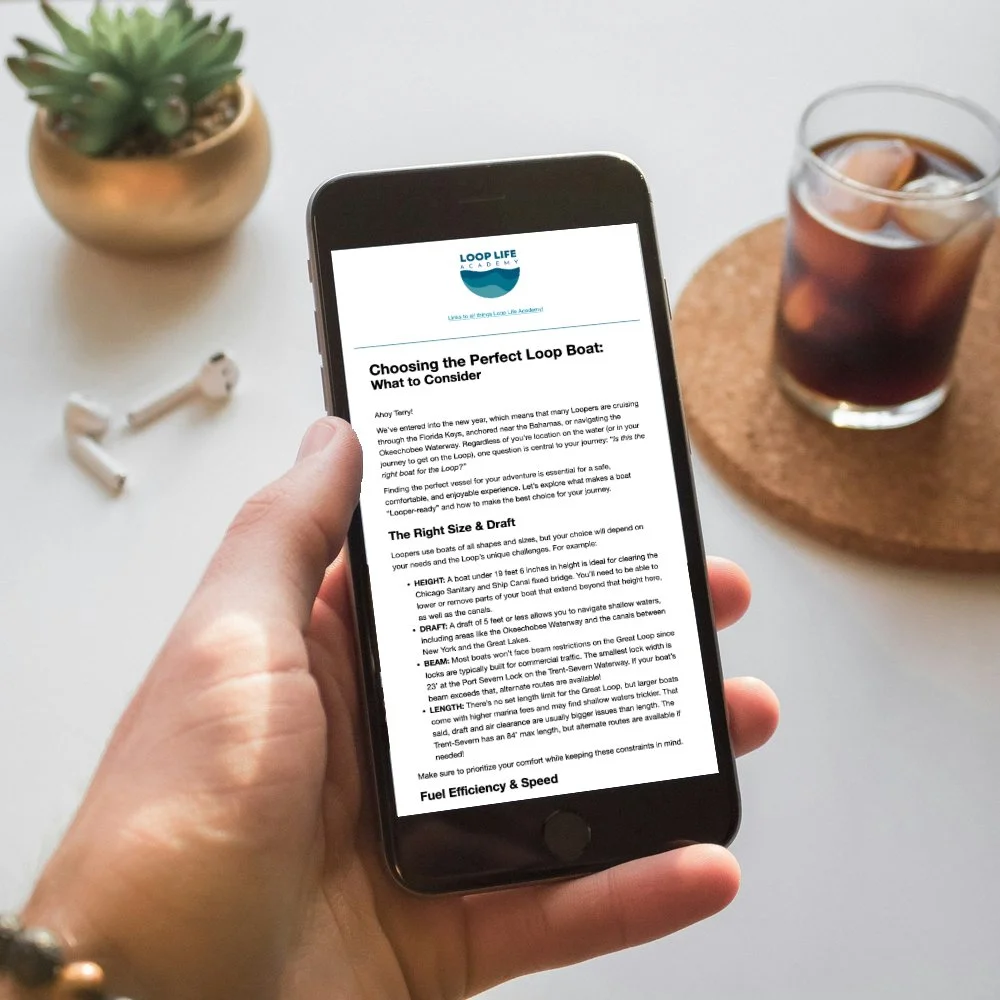
Want more of what you see here?
If you’re ready for more Great Loop insights, my weekly emails are just what you need!
Each week, you’ll get fresh tips, updates on new blog posts, videos, podcasts, and a chance to catch up on older content you might have missed.
Don’t miss out on practical advice and inspiration for your Loop journey!