What the Great Loop Actually Feels Like in the First Few Days
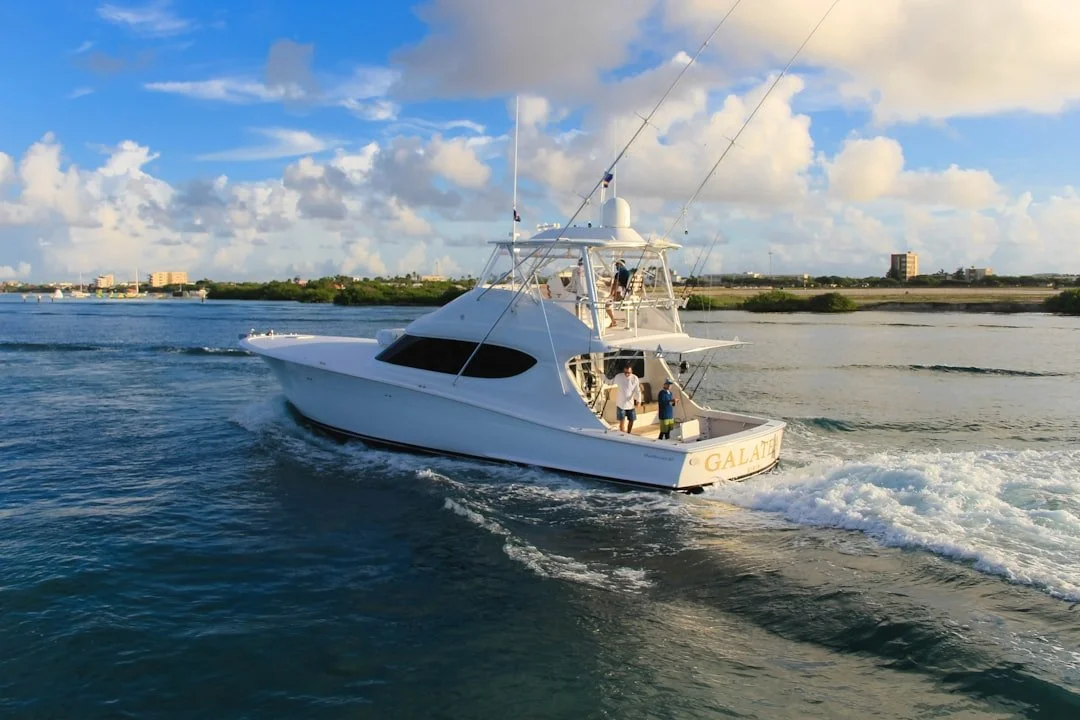
Nobody talks about the first 48 hours very honestly.
They talk about the preparation… the lists, the surveys, the shakedown cruises, the loading and reloading of the boat. They talk about departure day like it's a movie scene: confetti and tears and the dock lines dropping and the open water ahead.
And then the cameras cut away.
What actually happens after that, in the first two or three days before you find your footing, is something most Loopers only admit to in quiet conversations at the dock, usually to someone who's about to leave and needs to hear it.
This is that conversation.
The first feeling is not what you expect.
For most people, it isn't pure joy. It isn't relief. It isn't the cinematic rush of freedom they'd been imagining for two years of planning.
It's something closer to "now what?"
There's a particular disorientation that sets in once you're actually underway. The planning is over… and planning, it turns out, had been holding a lot of the anxiety at bay. It gave you something to do with the nerves. Now the to-do list is gone, the dock is behind you, and you're just... out here. Moving. On water.
And it feels strange.
Not bad, necessarily. Just strange in a way you didn't anticipate, and nobody warned you about.
Everything is louder than you remembered.
The engine. The water against the hull. The lines you forgot to fully secure when moving against something in the forward cabin. The VHF radio doing its thing in the background. Wind you didn't notice on land.
When you're day sailing or weekend cruising, the sounds fade into the background because you know you're going home in a few hours. When the boat is home, your nervous system doesn't have that reassurance anymore. It listens differently. Every creak gets your attention. Every change in the engine note registers in your chest before it registers in your brain.
This fades. Within a week or two, most of those sounds become ordinary again. Part of the texture of life afloat rather than potential warnings. But in the first few days, the boat is loud in a way it never was on day trips.
You will second-guess yourself. Probably more than once.
Maybe it happens when you're tired at the end of the first full day, and nothing went wrong, and you still feel vaguely wrung out. Maybe it happens when you're trying to dock at an unfamiliar slip, and it takes three attempts, with people watching from the fuel dock.
Maybe it's quieter than that… just a moment alone in the cockpit at dusk, looking at the water, thinking: we really did this. Did we really do this?
That question isn't doubt, even when it feels like it. It's your brain catching up to a decision your heart made a long time ago. The scale of what you've started is real, and the first few days are when the realness lands.
Almost every Looper, if you ask them honestly, has had a version of this moment. The ones who make it to the Gold Burgee are simply the ones who let the feeling pass rather than turning around.
The small things will throw you.
Not the big things. You've trained for the big things. You have a plan for weather windows and a MOB procedure and a first-aid kit and a float plan filed with someone who loves you.
It's the small things that sneak up on you.
Where did we put the can opener? The head is making a noise it didn't make before. I can't find my sunglasses, and I've checked everywhere they could possibly be. The wifi at this marina is terrible, and I had a work call this morning. It's hotter than I thought it would be. It's colder than I thought it would be. The mattress is fine, but it's not my mattress.
None of these are problems. But they stack, especially in those first few days when your reserves are already running lower than usual, and everything is new, and your body hasn't adjusted to sleeping on the water yet.
The answer — and this is easier to say than to do — is to slow down and solve one thing at a time. The Loop doesn't need you to be efficient in the first week. It needs you to still be on the boat at the end of it.
And then, usually around day three or four, something shifts.
You wake up and you know where the coffee is. You back into the slip on the first try and it feels almost easy. You have a conversation on the radio and your voice doesn't shake. You sit in the cockpit at the end of the day and the sounds of the boat are just the sounds of home.
It's not a dramatic shift. It doesn't announce itself. One day you're white-knuckling it through the new and the next day the new has just become your life.
That's the rhythm. That's what you were looking for. And it was always going to take a few days to arrive… no amount of planning could have gotten you there any faster.
What I'd tell someone casting off tomorrow.
Let the first days be awkward. They are for everyone.
Don't measure the adventure by how it feels before you've found your footing. The Loop reveals itself slowly, and the first chapter is always the hardest to write.
And if you have a moment in the first 48 hours where you feel something other than pure exhilaration — some mix of wonder and overwhelm and "is this actually happening" — write it down. Exactly as it is, without cleaning it up.
That's not the rough draft of your adventure. That is your adventure. The real beginning of it.
We’d Love to Hear From You!
Did the first few days on the Loop feel anything like you expected? I'd love to hear your honest version in the comments.
Want more of the real story, not just the highlight reel?
My regular emails go out with practical tips, honest reflections, and the occasional reminder that the messy parts are part of it, too.
Don’t miss out on practical advice and inspiration for your Loop journey!