Birding on the Loop: How We Use the Merlin App Underway
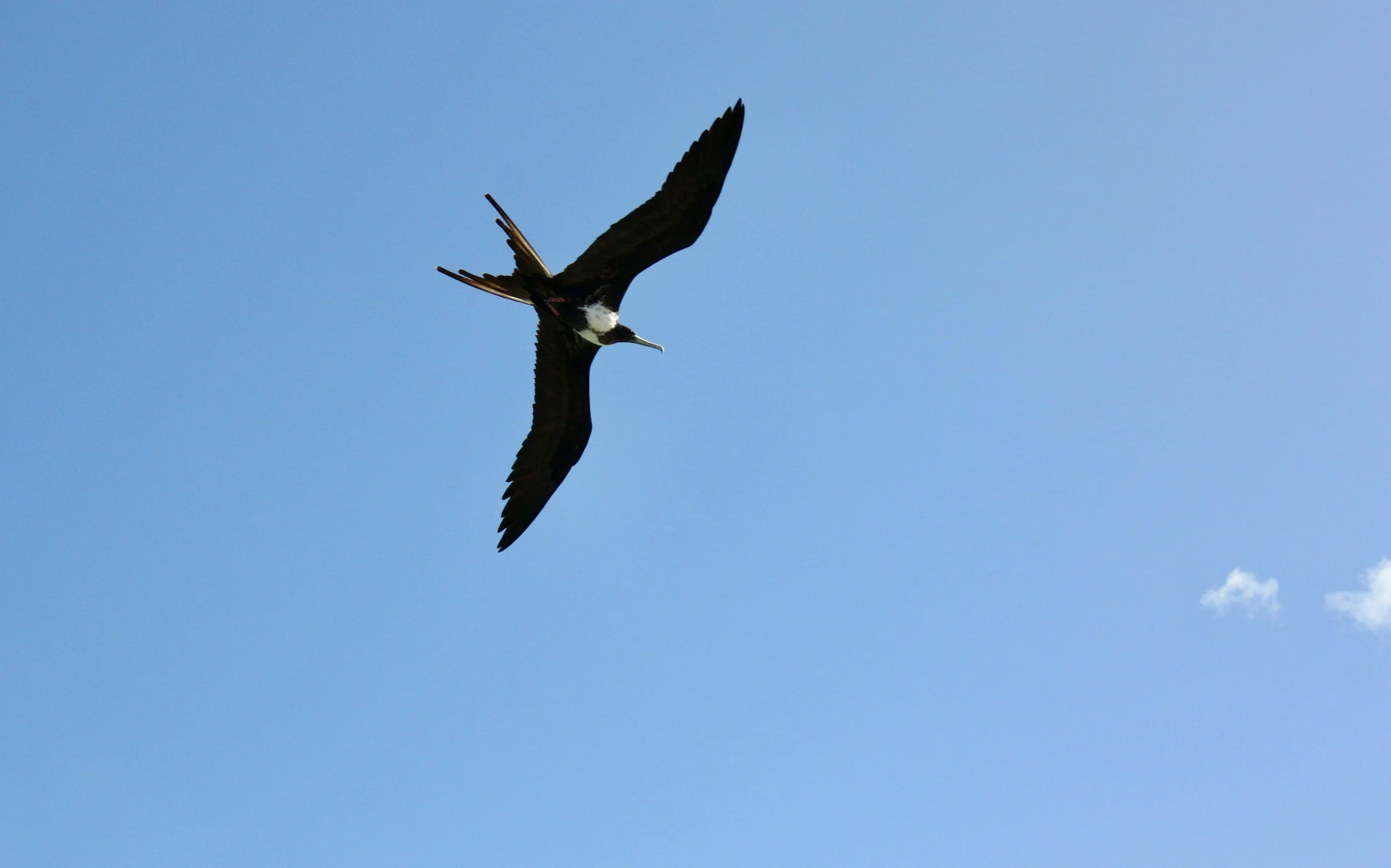
I want to be upfront: we did not get on the boat intending to become birders.
That was not in the plan. The plan was the Loop… the miles, the locks, the sunsets, the community, the whole beautiful thing. Birds were just going to be part of the scenery.
And then somewhere on the rivers, one of the kids pointed at something on a piling and asked what it was, and someone pulled out a phone and downloaded the Merlin Bird ID app, and that was pretty much that.
What Merlin actually is.
Merlin is a free app from the Cornell Lab of Ornithology — one of the most respected bird research institutions in the world. It's designed to help you identify birds you've seen or heard, and it does it in a few different ways.
You can answer a short series of questions about what you saw (size, color, behavior, location), and it gives you a list of likely candidates with photos and descriptions.
You can upload a photo and let it take a guess based on the image.
Or (and this one is a lot of fun to watch birds pop up on the screen), you can turn on Sound ID, hold up your phone, and let it listen. In real time, it identifies every bird it hears and shows you a scrolling list of what's calling around you, with the sound visualized as a spectrogram and each species linked to photos and recordings.
It's free. It works offline once you've downloaded the bird packs for your region. And it is genuinely, surprisingly magical the first time you use it.
How we actually use it underway.
The Sound ID feature is the one that's changed how we experience passages.
When you're moving down a quiet stretch of river or anchored in a cove at sunrise, there's often a wall of sound around you: insects, frogs, wind, water, and woven through all of it, birds you'd never think to notice individually. Merlin pulls them apart. It gives names to voices you've been hearing for weeks without registering.
One morning, anchored off the Tennessee River, I turned it on while making tea and counted fourteen species before the water even started to boil. Some of them I recognized — the red-winged blackbirds are everywhere in the spring, unmistakable once you know what you're listening for. Some of them I would never have identified on my own in a thousand years.
Merlin doesn't require you to become a serious birder. It meets you exactly where you are and just quietly makes the world more interesting.
A few things that surprised us about birding on the Loop, specifically.
The route is remarkably good for birds, which makes sense when you think about it… You're traveling through a huge range of ecosystems, following flyways, passing through coastal wetlands, river deltas, forested inland waterways, and the Great Lakes shoreline. The birding changes dramatically as you move.
The Gulf Coast stretch stopped us in our tracks multiple times. Brown pelicans divebombing just off the bow. Roseate spoonbills in the shallows looking like something from a dream. Ospreys everywhere, working the water with a focus that made us feel lazy by comparison.
The rivers have their own cast of characters: great blue herons standing absolutely still on every other bank, bald eagles more common than you'd expect, kingfishers doing their rattling flyby thing.
And the Great Lakes surprised us, too! Different birds entirely, including some species we'd never seen before and might not have noticed without the app there to point them out.
It's become a family thing.
This is maybe the part I didn't anticipate most.
Birding (or even just having Merlin running in the background) became something we all participate in, including the kids. Not in a formal, structured way. Just in a "wait, what was that?" way that turned into a running conversation over months of the Loop.
None of this was planned. It grew out of one downloaded app and a kid pointing at a piling. That's kind of how the best parts of the Loop work.
Practical notes if you want to try it.
Merlin is free and available on iOS and Android. Download it before you go, and then download the regional bird packs for the areas you'll be cruising through, since those can be large and you won't always have reliable data when you want them.
The Sound ID feature works best in quieter conditions… engine noise will drown out a lot when you're underway. We use it most at anchor, early morning, or when we're drifting with the engine off. It's a perfect anchor-morning activity.
The photo ID feature is hit or miss depending on your photo quality, but it's worth trying. The question-based ID is great when you catch a glimpse of something and want to figure out what it was.
And if you want to go a little deeper… field guides, regional checklists, the full Cornell Lab eBird database… Merlin is a comfortable front door into all of it without requiring any commitment.
One last thing.
There's something that happens on a long trip like the Loop where the things you didn't plan for end up mattering just as much as the things you did.
The birds were one of those things for us. The way a great blue heron will stand absolutely unbothered while you drift past within thirty feet. The sound of a wood thrush in a quiet anchorage at dusk. The morning on the hook when the Merlin app was running and my daughter said, without looking up from her breakfast, "That's a laughing gull,” and she was right.
The Loop gives you the water. It also gives you everything that lives alongside it, if you pay attention.
Merlin just makes it easier to pay attention.
We’d Love to Hear From You!
Have you used Merlin or any other nature apps on the Loop or while cruising? I'd love to know what you've discovered! Drop it in the comments.
Want more of the unexpected side of Loop life? My weekly emails are full of the real stuff: practical tips, personal stories, and the things nobody puts in the guidebooks. Sign up and stay in the loop.
Want more of what you see here?
If you’re ready for more Great Loop insights, our regular emails are just what you need!
You’ll get fresh tips, updates on new blog posts, videos, podcasts, and a chance to catch up on older content you might have missed.
Don’t miss out on practical advice and inspiration for your Loop journey!