How to Play: Going to Boston
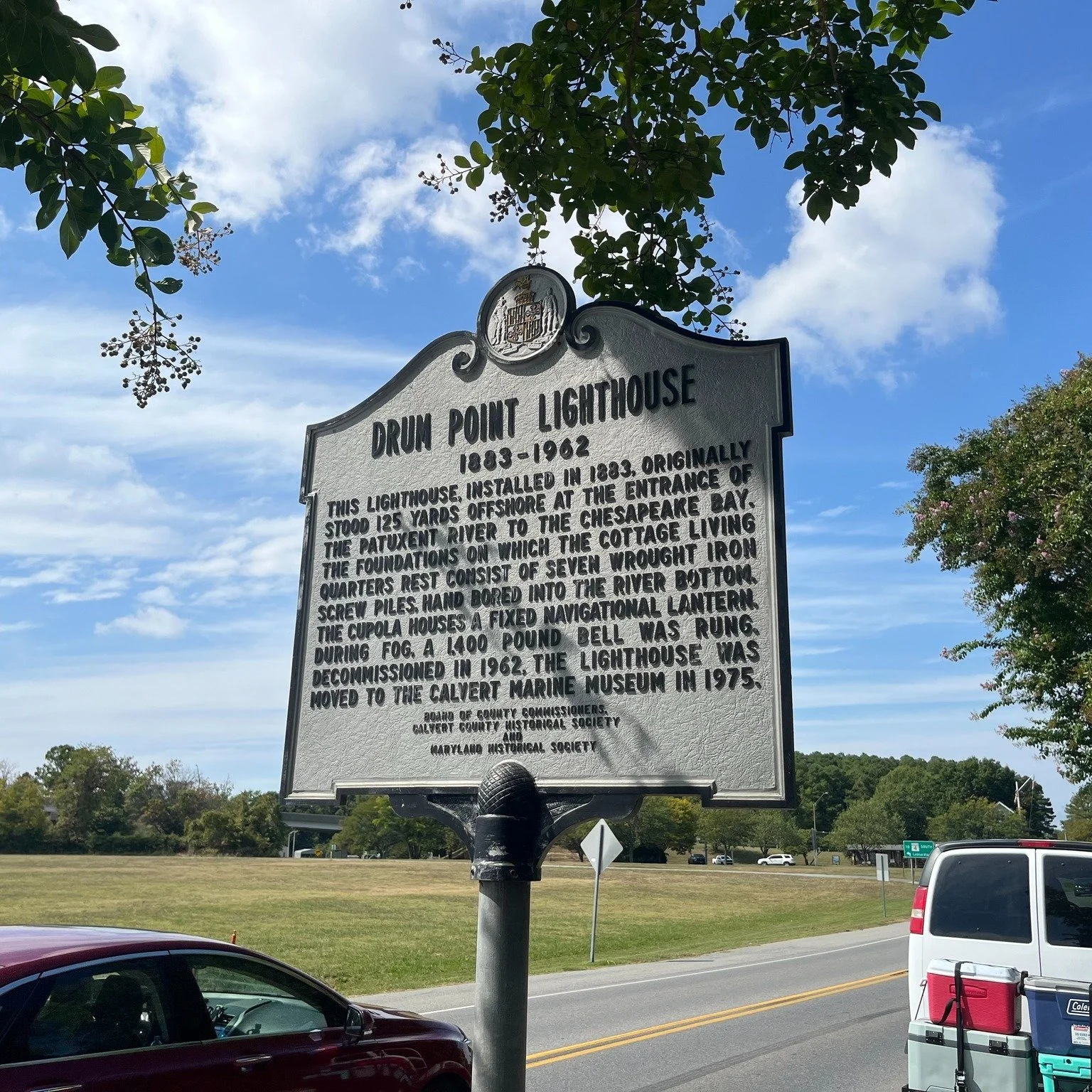
Discovered at a maritime museum in St. Marys, Georgia, Going to Boston is a fast, sailor-approved dice game that’s easy to play on board. It builds math skills, keeps kids engaged, and connects your crew to cruising history—with just three dice and a bit of friendly competition.

How to Play: Klondike Solitaire
Recently, my kids discovered Klondike Solitaire on an old iPod, and it’s quickly become one of their favorite go-to games on the boat or when there’s downtime! Here’s a guide to help you (and your little card sharks) get started with this classic game, whether you’re on the water, in a camper, or cozied up at home.

How to Play: Pass the Pigs
We love the game Pass the Pigs! This is a very compact game that I usually keep in my bag. If we’re waiting at a restaurant or need a little time to sit and rest, it’s easy to pull out and practice some basic addition skills without the kids even realizing it.

How to Play: Pig
“Pig” is a dice game that requires very few supplies: a 6-sided die, paper, and pencil. The game encourages math skills like addition and probabilities, social skills, fine motor skills, and critical thinking.

How to Play: Slap
The card game Slap (more commonly known as Egyptian Ratscrew) is one I learned in high school and played in between games at our water polo tournaments. It’s a bit more… energetic (some might say violent?!)… There is high-speed deck-slapping involved!
How to Play: 4-Card Golf
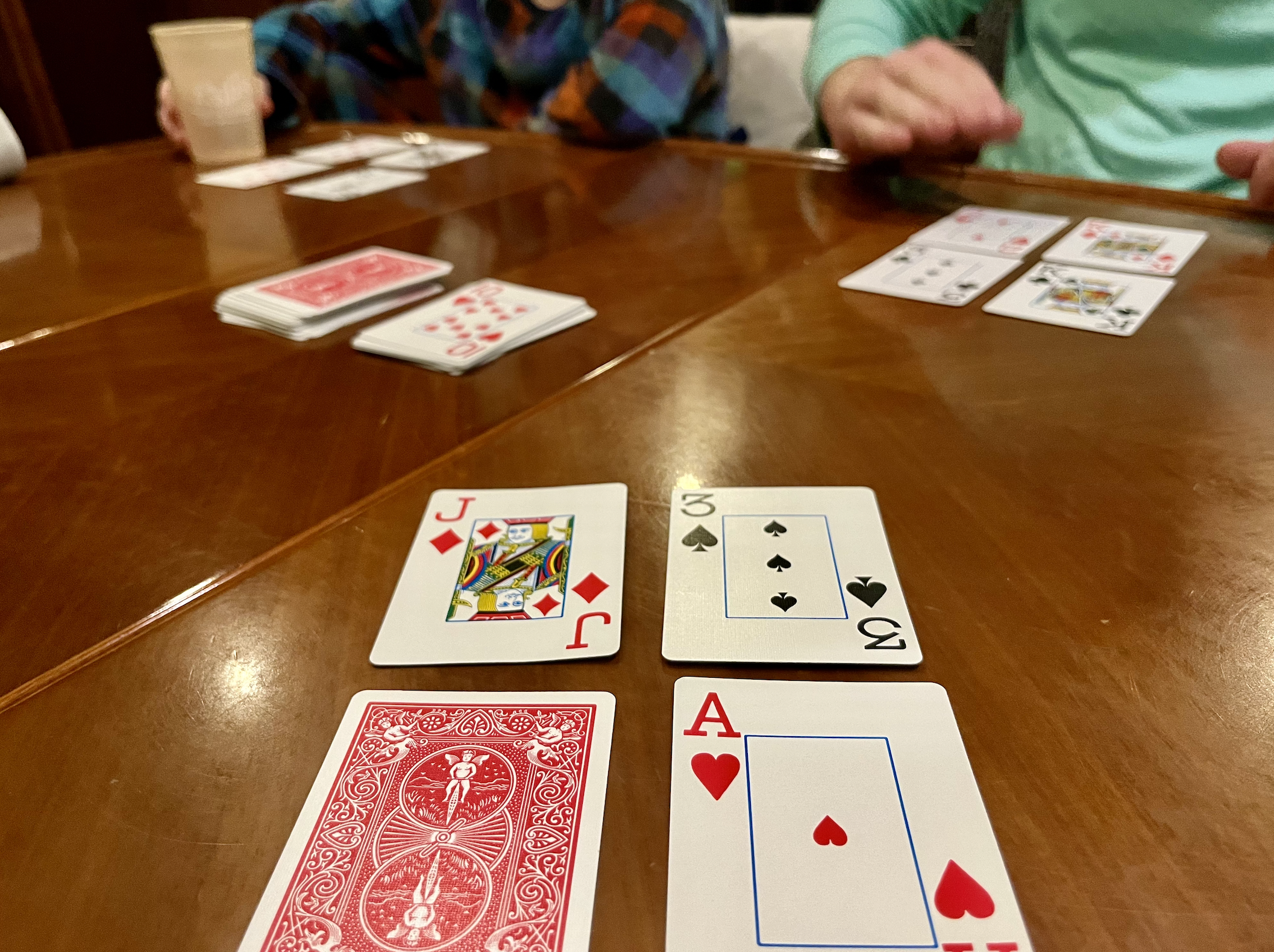
We recently learned the card game Golf, which was easy to teach to a group. It requires mostly luck and not a lot of skill. Despite your score mainly being out of your control, the game encourages math skills, social skills, and fine motor skills.
How to Play: Spoons
The card game Spoons has been a go-to when visiting new friends on another boat or hanging out with a group. This game is great for math skills, social skills, fine motor skills, and focus. Our kids love the fast pace, using sneaky strategies, and the excitement of getting a spoon before none are left.
Follow us on social
![What’s your adventure story?
Start capturing yours today with our Great Loop Journals—created to keep every journey close to heart. 🌅✨
https://www.looplifeacademy.com/books/loop-life-academy [Clickable link in bio!]
#GreatLoopJourna](https://images.squarespace-cdn.com/content/v1/66781a8e84324035e9ac0557/1731684102475-K0YOXSIKOWRACHQSJUIN/image-asset.jpeg)