Caught in a Storm: Lessons Learned from Rough Weather
Weather on the water can change in an instant, and every storm is a lesson in preparation, patience, and adaptability. From sudden squalls in the Gulf of Mexico to scrambling to close hatches before a downpour, here’s what we’ve learned about handling rough weather and staying safe when conditions turn.

What’s in Our Storm Kit? The Essential Gear Every Cruiser Should Have
Storms are an inevitable part of cruising, but being prepared makes all the difference. From anchor backups to emergency lighting, here’s what’s in our storm kit and why you should build your own before the weather turns.

Anchoring for Storms: Best Practices for Staying Put in Rough Weather
Anchoring in rough weather requires more than just dropping the hook and hoping for the best. Different boats behave differently, and understanding anchor choices, scope calculations, and storm anchoring techniques can make all the difference.

Overcoming the ‘What Ifs’: Addressing Common Fears About the Great Loop
Worried about storms, breakdowns, or feeling isolated on the Great Loop? You’re not alone. Let’s tackle the biggest fears about Looping and how to manage them so you can embrace the adventure with confidence.

Finding the Right Boat for a Reluctant Partner
The right boat can make or break the Great Loop experience—especially for a hesitant spouse or partner. Here’s how to choose a vessel that balances comfort, safety, and ease of cruising so both of you can enjoy the journey.

Easing the Transition: How to Make the Great Loop Feel More Like Home
Moving onto a boat—even temporarily—can feel like a big adjustment. But with a few intentional choices, you can create a space that feels comfortable, familiar, and homey, even while cruising.

The Art of Slowing Down: Embracing the Journey, Not Just the Destination
One of the greatest lessons cruising teaches you is patience. Whether it’s waiting out bad weather, dealing with mechanical delays, or simply taking the scenic route, life on the water isn’t about rushing from point A to point B—it’s about savoring the journey.

The Unwritten Rules of the Cruising Community
The cruising community is like a floating small town—one where generosity and camaraderie are the foundation. From sharing tools to checking on each other’s boats after storms, boaters look out for one another in ways that go beyond the norm. Here’s a look at the unspoken rules that keep this incredible community thriving.

Cruising Challenges & How to Overcome Them
Every cruiser faces setbacks, whether it’s mechanical failures, unpredictable weather, or the occasional technology meltdown. But these challenges don’t have to ruin your journey—they can actually make you a better boater. Here’s how to navigate the rough patches with patience, resilience, and a little help from the cruising community.

The Art of Timing: Tides, Currents & Bridges Along the ICW
Planning an efficient trip along the Intracoastal Waterway (ICW) isn’t just about picking a destination—it’s about knowing how far you can travel in a day, where to refuel, and how speed limits and no-wake zones affect your schedule. Whether you’re cruising for a season or completing the Great Loop, smart planning helps you avoid unnecessary delays and fuel surprises. In this post, we’ll break down daily mileage expectations, fuel strategies, and key speed considerations for a smooth ICW passage.

ICW Travel by the Numbers: Daily Mileage, Fuel Planning, and Speed Considerations
Planning an efficient trip along the Intracoastal Waterway (ICW) isn’t just about picking a destination—it’s about knowing how far you can travel in a day, where to refuel, and how speed limits and no-wake zones affect your schedule. Whether you’re cruising for a season or completing the Great Loop, smart planning helps you avoid unnecessary delays and fuel surprises. In this post, we’ll break down daily mileage expectations, fuel strategies, and key speed considerations for a smooth ICW passage.

Shoaling Hotspots on the ICW & How to Navigate Them
Shoaling is one of the biggest challenges when navigating the Intracoastal Waterway (ICW). Areas like Hell Gate, Lockwoods Folly, and Browns Inlet are notorious for shifting depths that can leave even experienced cruisers in a tough spot. The good news? With the right tools—depth surveys, crowd-sourced reports, and real-time updates—you can plan your route to avoid running aground. This guide will help you navigate ICW shoaling hotspots with confidence.

Longer Passages on the Loop: How to Prepare for Full-Day or Overnight Runs
While much of the Great Loop involves short, easy hops, some stretches require a long day on the water—or even an overnight run. Whether you’re crossing the Gulf, tackling the Chesapeake, or pushing through a remote section, preparation is key. Here’s how to plan for fuel, navigation, weather, food, and keeping everyone comfortable so you can handle longer passages with confidence.

Mastering the ICW: Bridges, Locks & Tidal Currents Made Simple
The Atlantic Intracoastal Waterway (ICW) is an incredible route for cruisers, but it comes with its own set of challenges. From timed bridge openings to strong tidal currents and tricky locks, planning ahead makes all the difference. Whether you’re a first-timer or looking to refine your skills, here’s what you need to know to navigate the ICW with confidence.

How to Read Marine Weather Forecasts Like a Pro (Without Being a Meteorologist)
Weather can make or break a cruising day. For Loopers, understanding marine forecasts isn’t just helpful—it’s essential for safety and comfort. But with so many maps, numbers, and apps, where do you even start? Let’s break it down into what really matters, so you can confidently plan your passages and avoid surprises on the water.

Boating Etiquette: Navigating the Waterways with Courtesy and Respect
Being a responsible boater isn’t just about following the official rules—it’s also about practicing good etiquette. From respecting no-wake zones to minimizing your impact on wildlife, simple courtesies can make a big difference on the water. In this post, we’ll cover the unspoken rules of boating that help keep the waterways safe and enjoyable for everyone.

The Basics of Boating Signals: How to Communicate on the Water
Just like on the road, clear communication on the water is essential for safety and smooth navigation. Boating signals—whether horn blasts, navigation lights, or flags—help vessels understand each other’s intentions and avoid collisions. In this post, we’ll break down the most important boating signals, when to use them, and why they matter.

Navigating Common Waterway Hazards: How to Stay Safe
The waterways can be unpredictable, with hazards like low visibility, shifting shoals, and floating debris posing risks to boaters. Understanding these dangers and knowing how to navigate them safely is key to an enjoyable time on the water. In this post, we’ll break down common waterway hazards and how to handle them, so you can cruise with confidence.

Common Boat Maintenance Mistakes and How to Avoid Them
Boat maintenance can feel overwhelming, especially for new cruisers. But many costly repairs stem from simple mistakes that are easy to avoid. In this post, I’ll walk through common maintenance missteps that can lead to big problems and how you can stay ahead of potential issues to keep your Great Loop adventure smooth sailing.

Preventative Maintenance: How to Avoid Costly Repairs on the Great Loop
Routine maintenance is the key to avoiding costly repairs and unexpected breakdowns while cruising the Great Loop. A little time spent on regular checkups can save you from major headaches down the line. In this guide, I’ll walk you through essential preventative maintenance tasks that will keep your boat running smoothly from start to finish.
Follow us on social
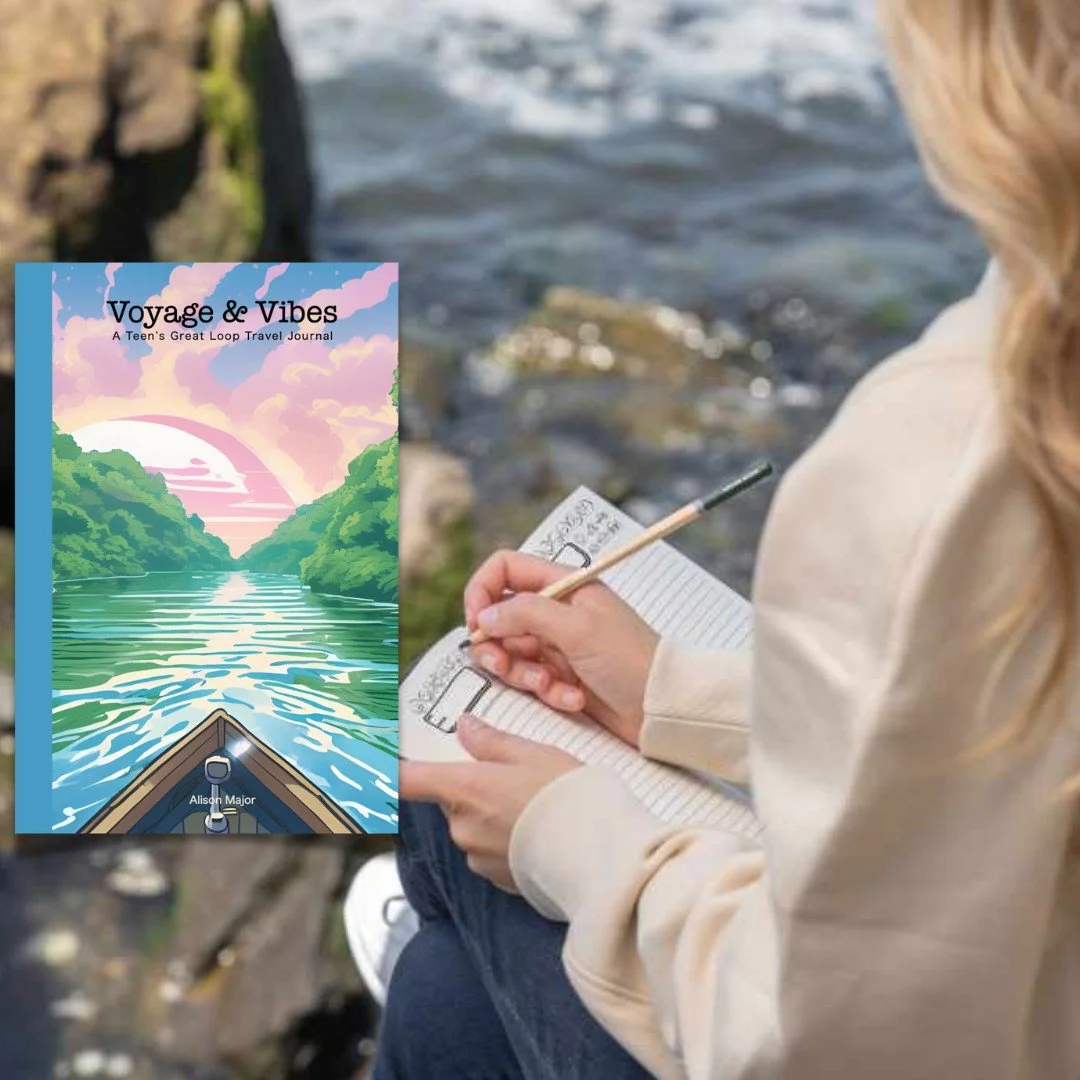
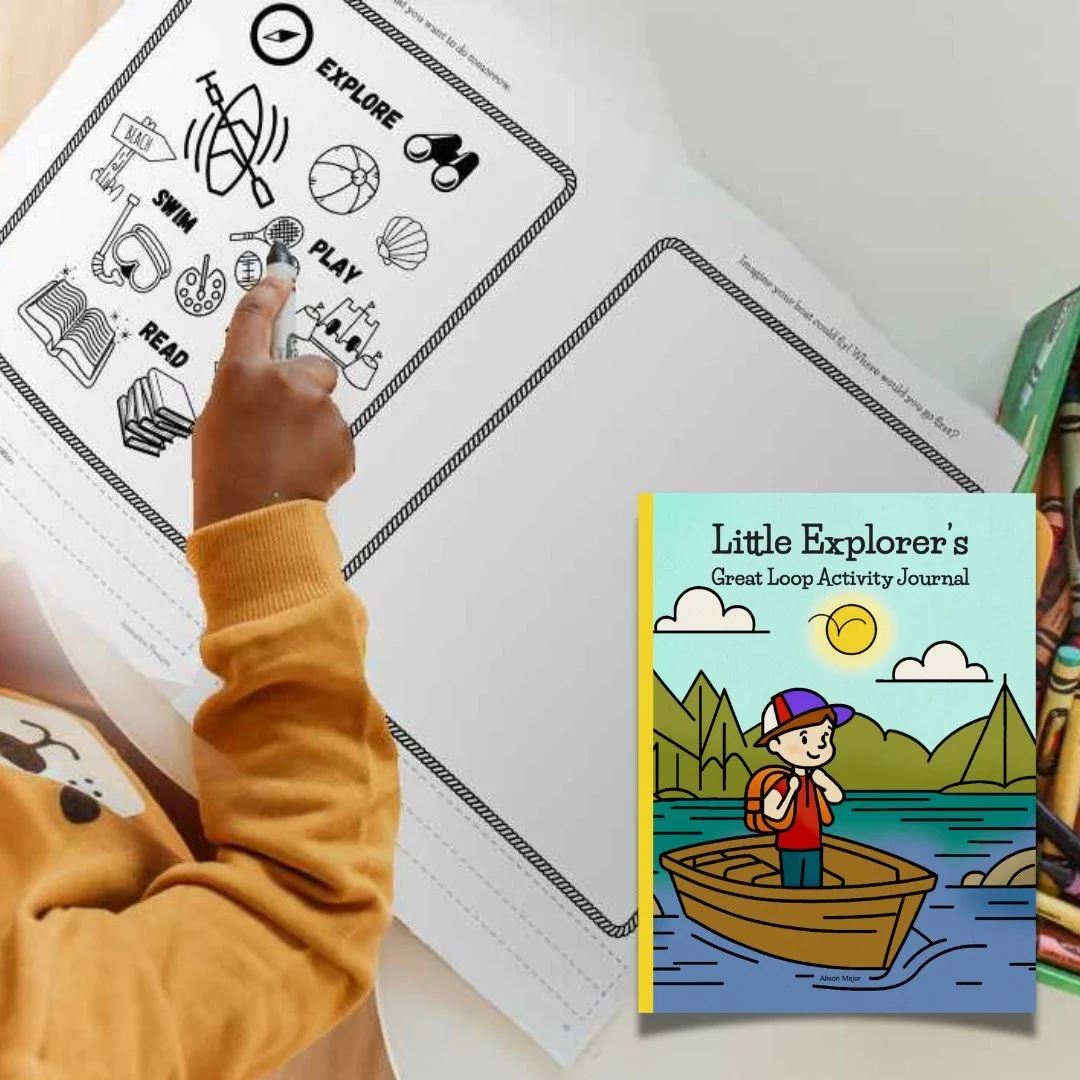
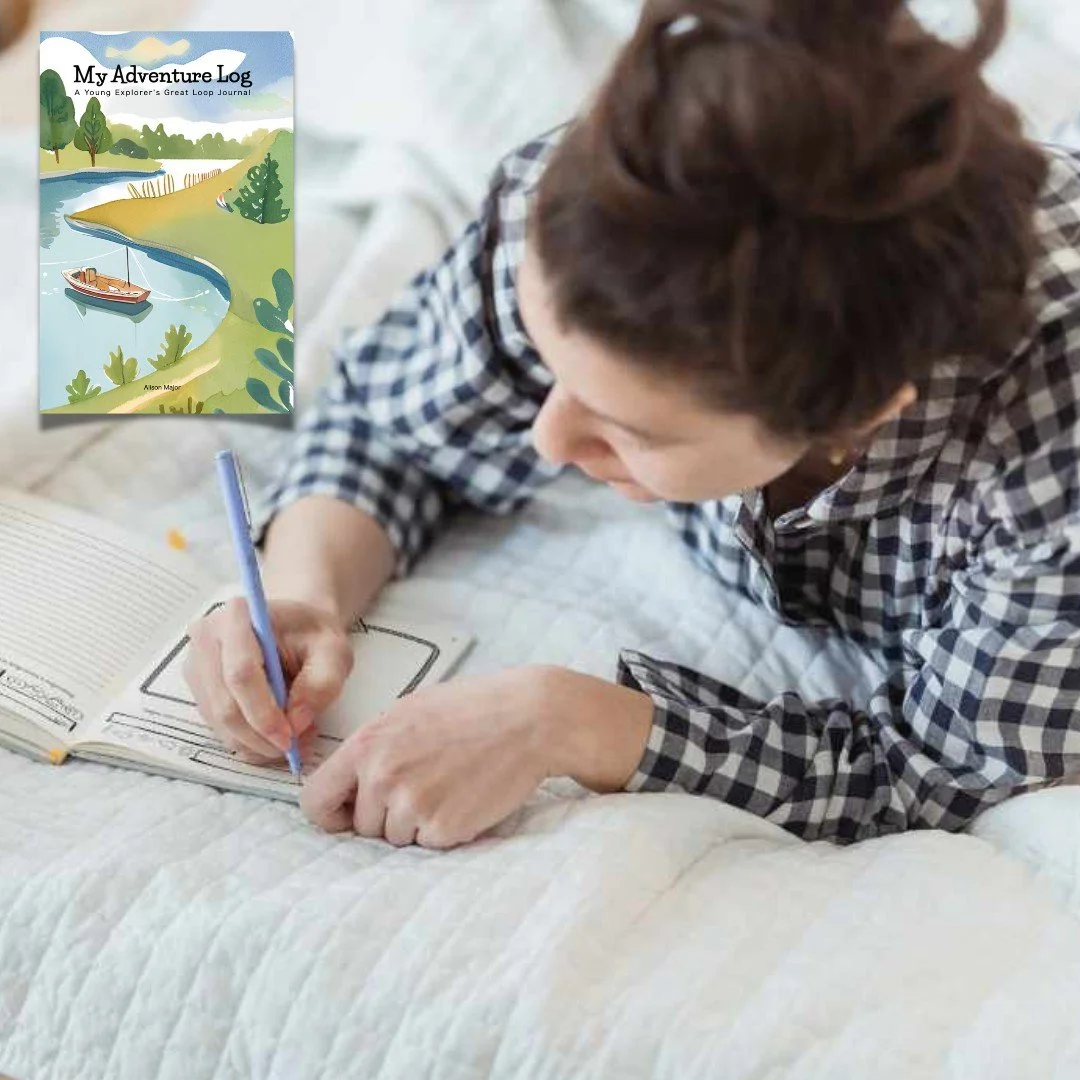
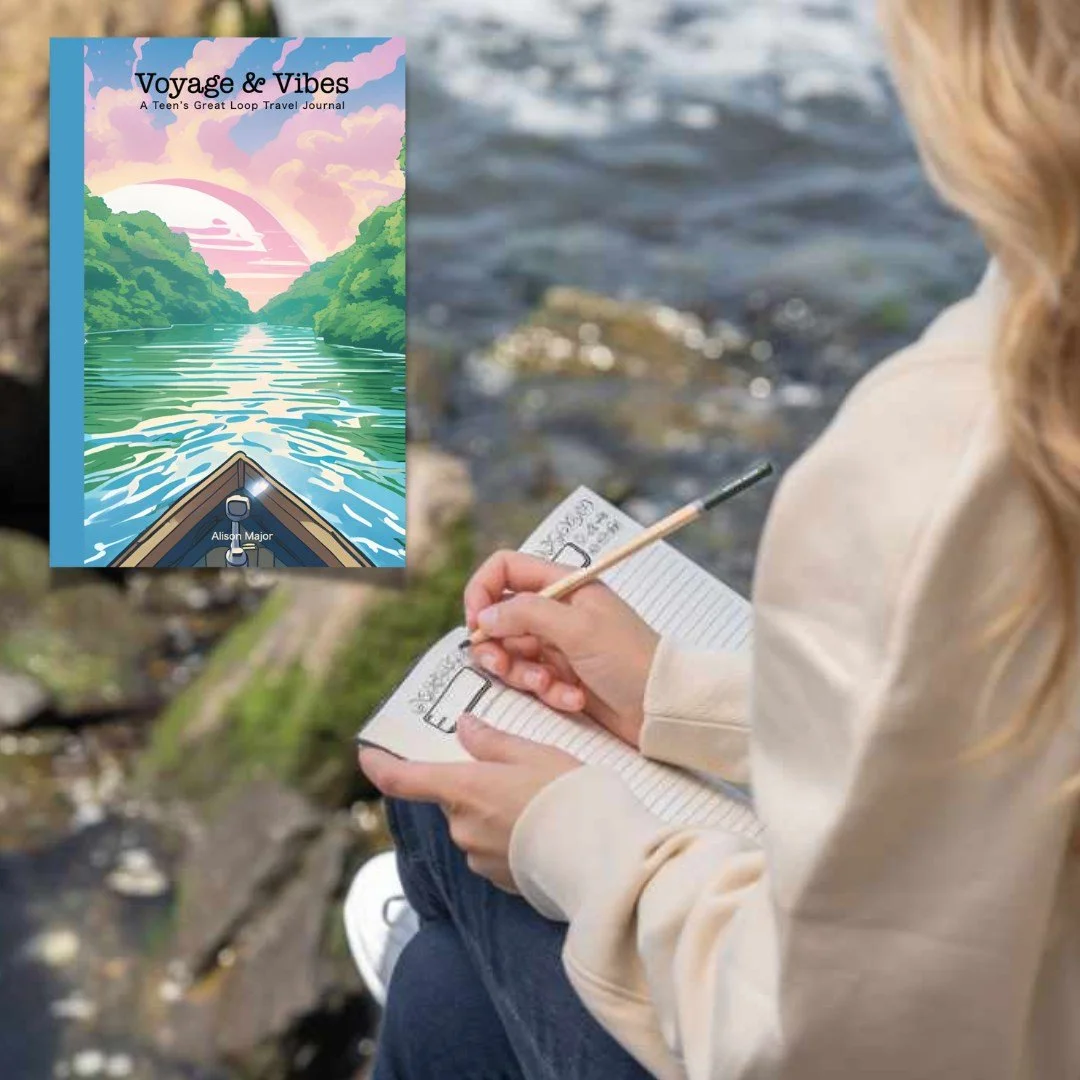
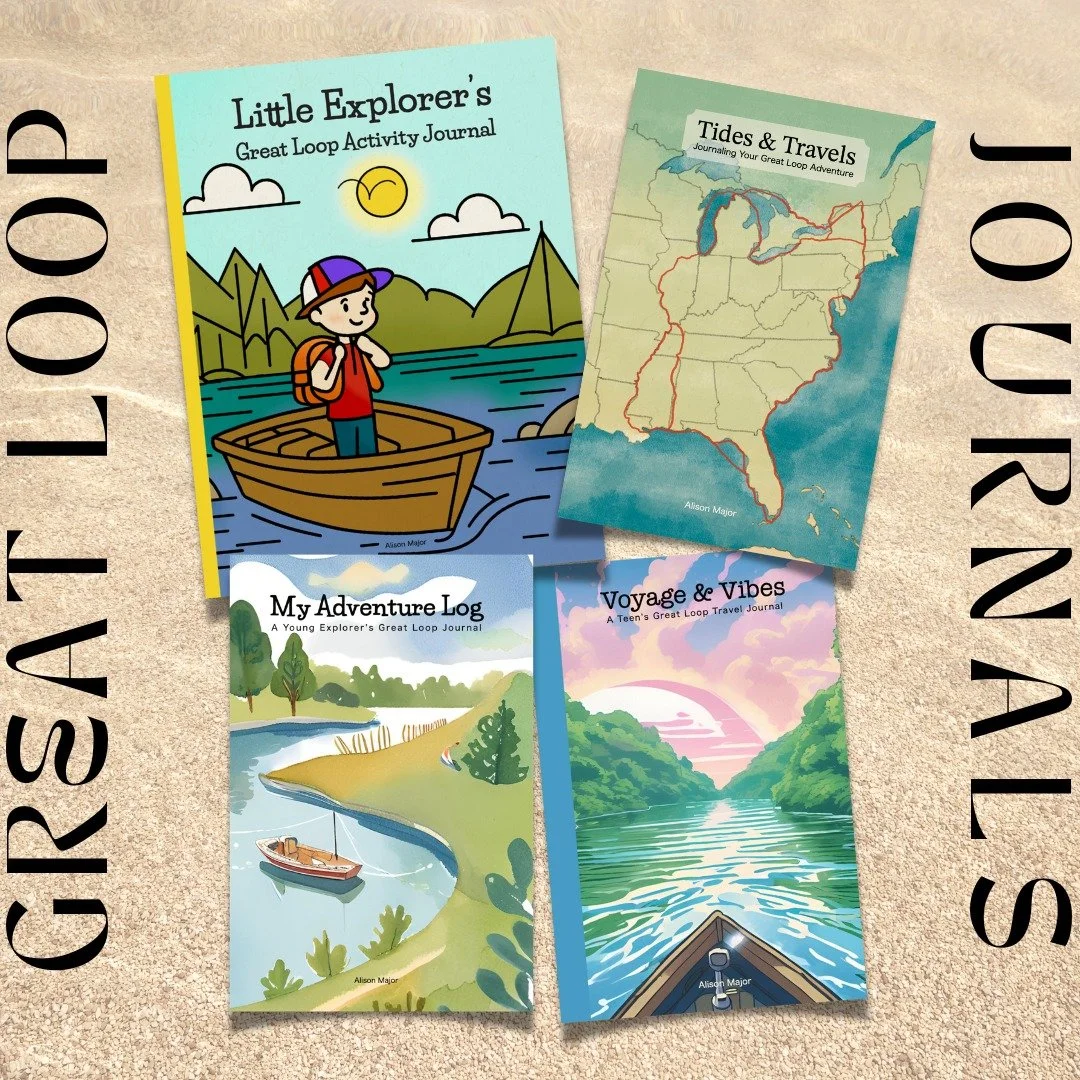
![What’s your adventure story?
Start capturing yours today with our Great Loop Journals—created to keep every journey close to heart. 🌅✨
https://www.looplifeacademy.com/books/loop-life-academy [Clickable link in bio!]
#GreatLoopJourna](https://images.squarespace-cdn.com/content/v1/66781a8e84324035e9ac0557/1731684102475-K0YOXSIKOWRACHQSJUIN/image-asset.jpeg)