Boat Cards: Your Floating Calling Card on the Loop
Ever wonder how other Loopers make friends so easily? Enter the boat card: a simple, friendly way to connect with fellow cruisers and leave your mark along the way.

How to Play: Going to Boston
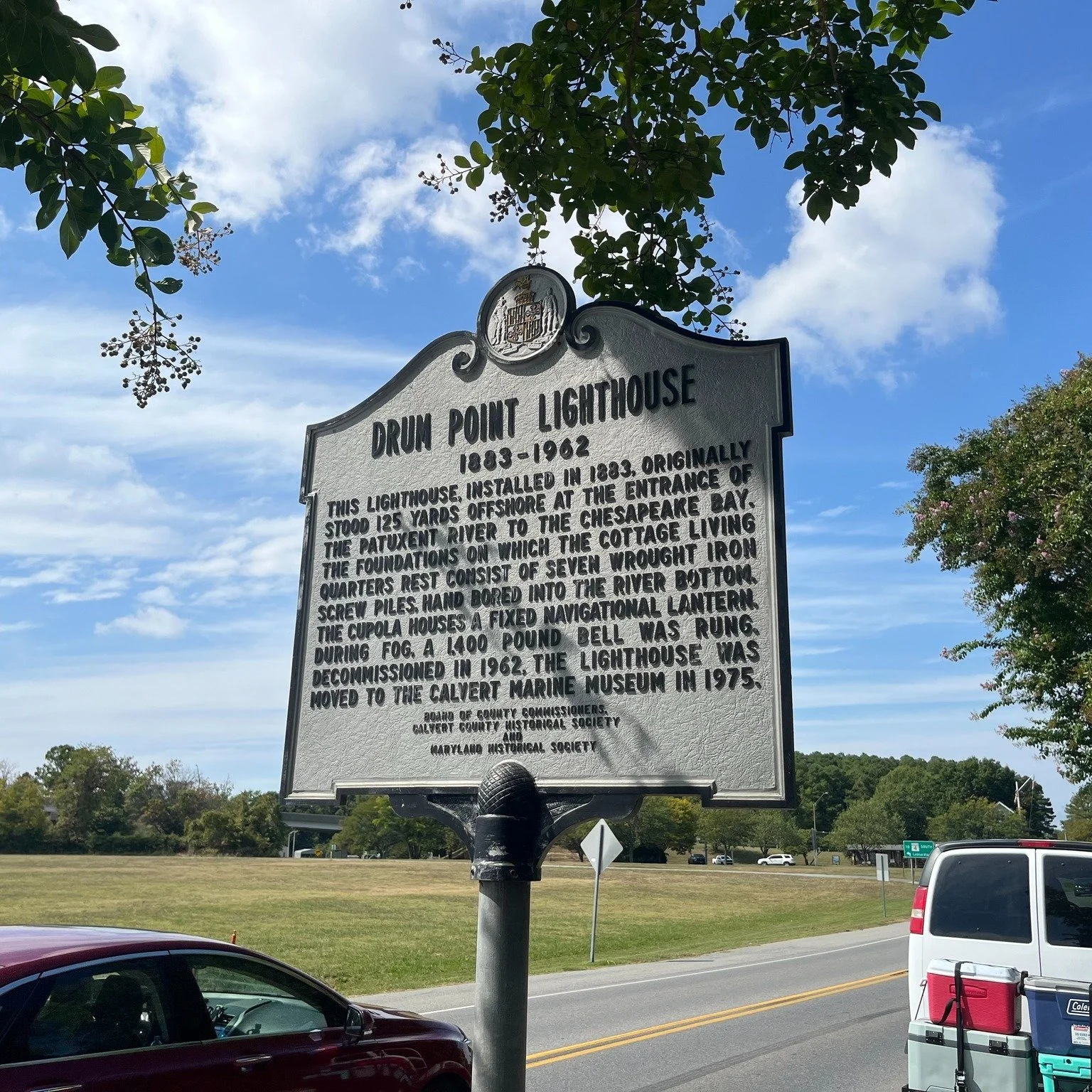
Discovered at a maritime museum in St. Marys, Georgia, Going to Boston is a fast, sailor-approved dice game that’s easy to play on board. It builds math skills, keeps kids engaged, and connects your crew to cruising history—with just three dice and a bit of friendly competition.
10 Unique Extras to Make Your Boat Card Memorable
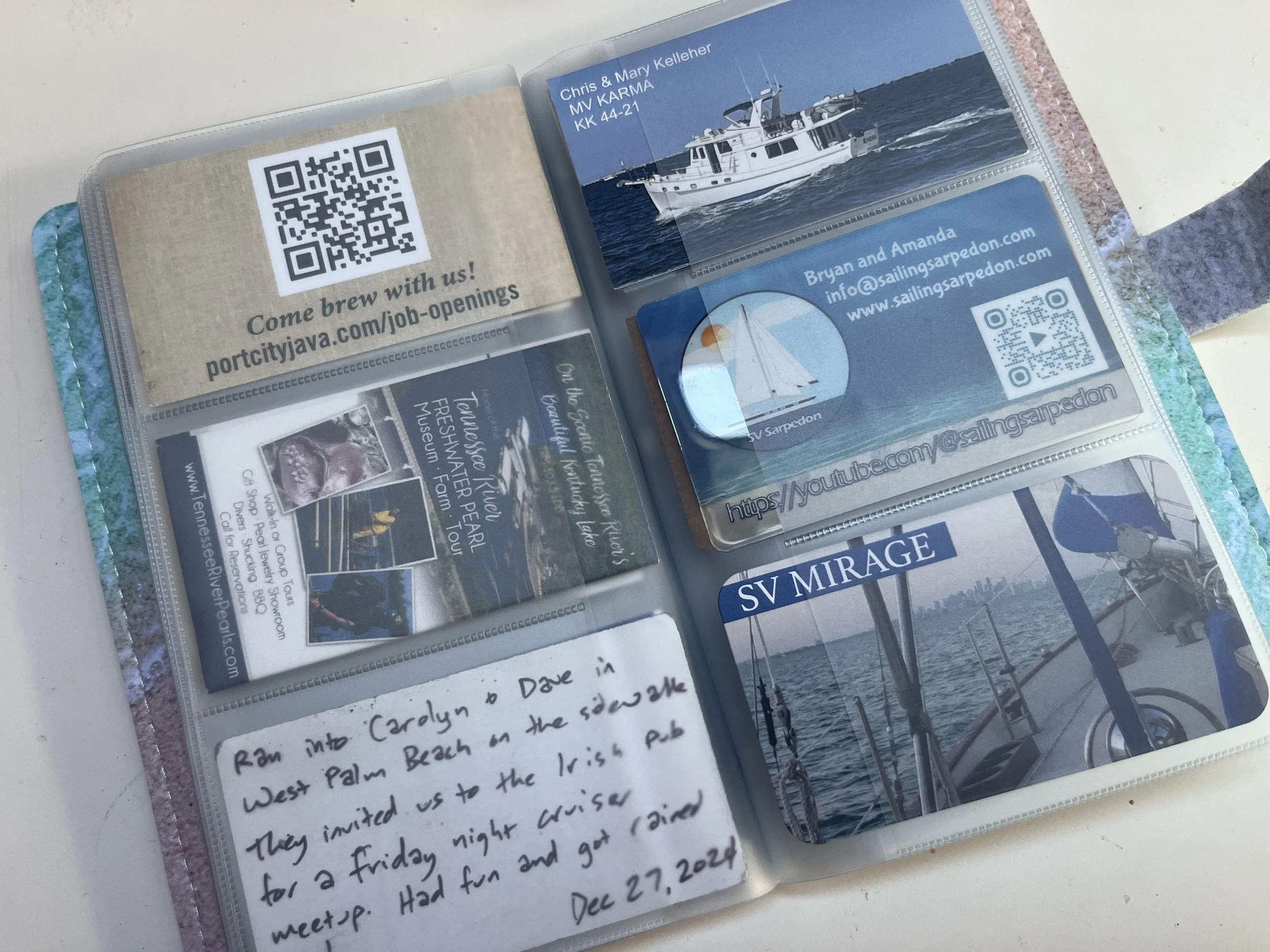
Want to make your boat card more memorable? Adding creative touches like QR codes, a favorite boating quote, or a custom boat logo can help your card stand out while staying functional. Discover 10 unique extras that will leave a lasting impression on fellow Loopers and boating friends!
The Art of Networking on the Water: Why Boat Cards Matter
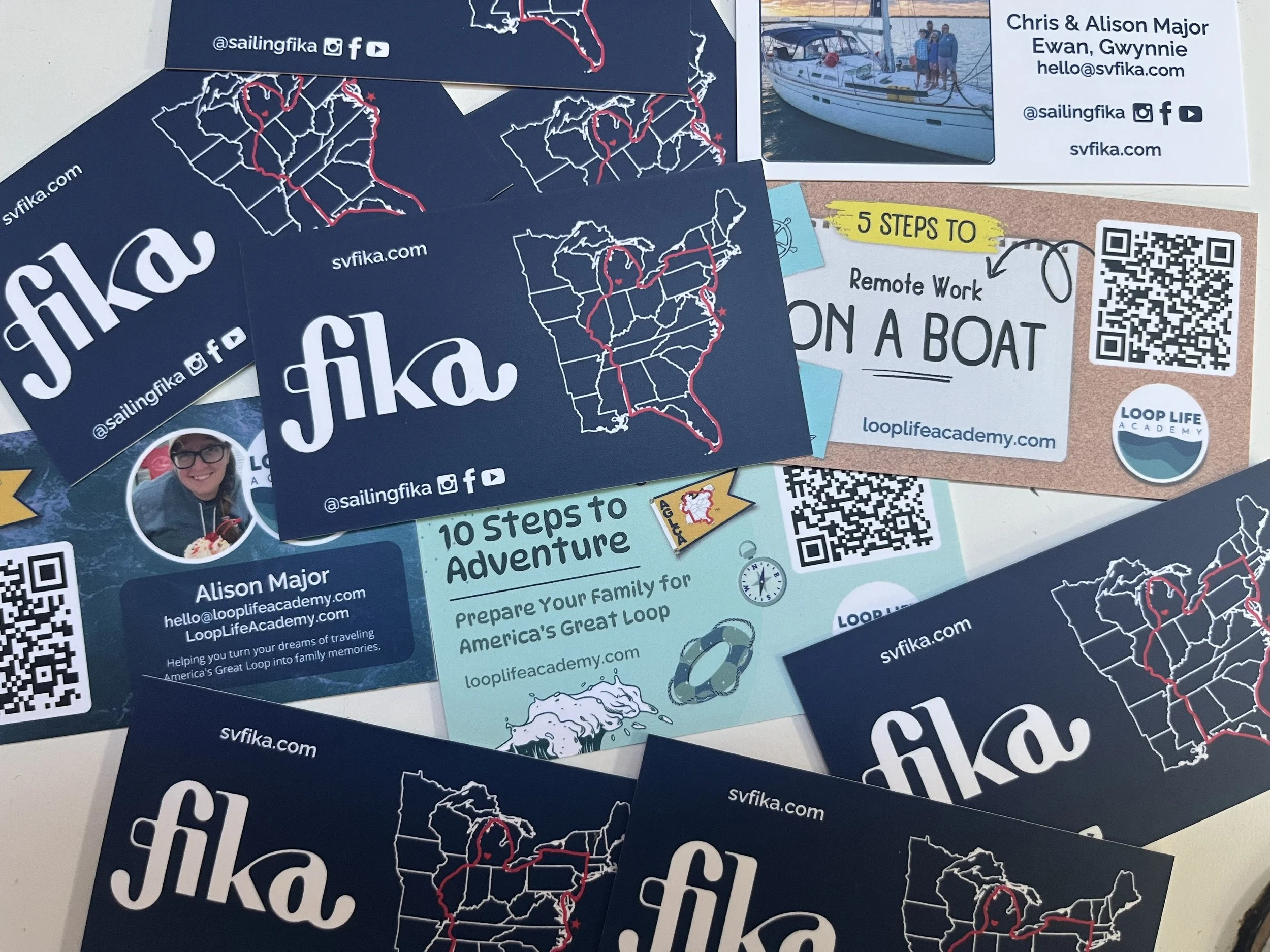
Cruising the Great Loop isn’t just about the journey—it’s about the people you meet along the way. Boat cards serve as a simple yet powerful tool for staying in touch with fellow Loopers, turning brief encounters into lasting friendships. Discover how boat cards foster connections, lead to new adventures, and help you stay connected long after sailing in different directions.

How to Design the Perfect Boat Card: Tips for Loopers
A well-designed boat card is a must-have for Loopers looking to stay connected on the water. From choosing the right fonts and colors to including essential contact details, this guide covers everything you need to create a card that reflects your boat’s personality and makes a lasting impression. Plus, discover creative design ideas and where to get your cards made!

Do You Miss Out on Celebrating Holidays and Birthdays While on the Loop?
Wondering if you’ll miss out on celebrating holidays and birthdays while cruising the Great Loop? Think again! From festive potlucks with fellow boaters to unique adventures in new locations, life on the Loop offers endless opportunities to create unforgettable memories. Learn how we adapt our traditions and make every celebration meaningful.

How to Play: Klondike Solitaire
Recently, my kids discovered Klondike Solitaire on an old iPod, and it’s quickly become one of their favorite go-to games on the boat or when there’s downtime! Here’s a guide to help you (and your little card sharks) get started with this classic game, whether you’re on the water, in a camper, or cozied up at home.

Discovering Docktails: A Fun and Inclusive Tradition on the Great Loop
"Docktails" is a term used in the boating community to describe informal social gatherings held on docks or boats. These gatherings are an excellent way for boaters to unwind, share stories, and enjoy each other's company. Typically, "docktails" involve everyone bringing their beverage of choice, whether a cocktail, soft drink, or even just water.

How to Play: Pass the Pigs
We love the game Pass the Pigs! This is a very compact game that I usually keep in my bag. If we’re waiting at a restaurant or need a little time to sit and rest, it’s easy to pull out and practice some basic addition skills without the kids even realizing it.

How to Play: Pig
“Pig” is a dice game that requires very few supplies: a 6-sided die, paper, and pencil. The game encourages math skills like addition and probabilities, social skills, fine motor skills, and critical thinking.

Staying Connected During Special Occasions
When your family moves onto a boat to travel along America’s Great Loop for a year, there will be moments when you or your crew miss home. Celebrating special occasions is important, and being on the Great Loop doesn’t mean missing out on these celebrations.

How to Play: Slap
The card game Slap (more commonly known as Egyptian Ratscrew) is one I learned in high school and played in between games at our water polo tournaments. It’s a bit more… energetic (some might say violent?!)… There is high-speed deck-slapping involved!
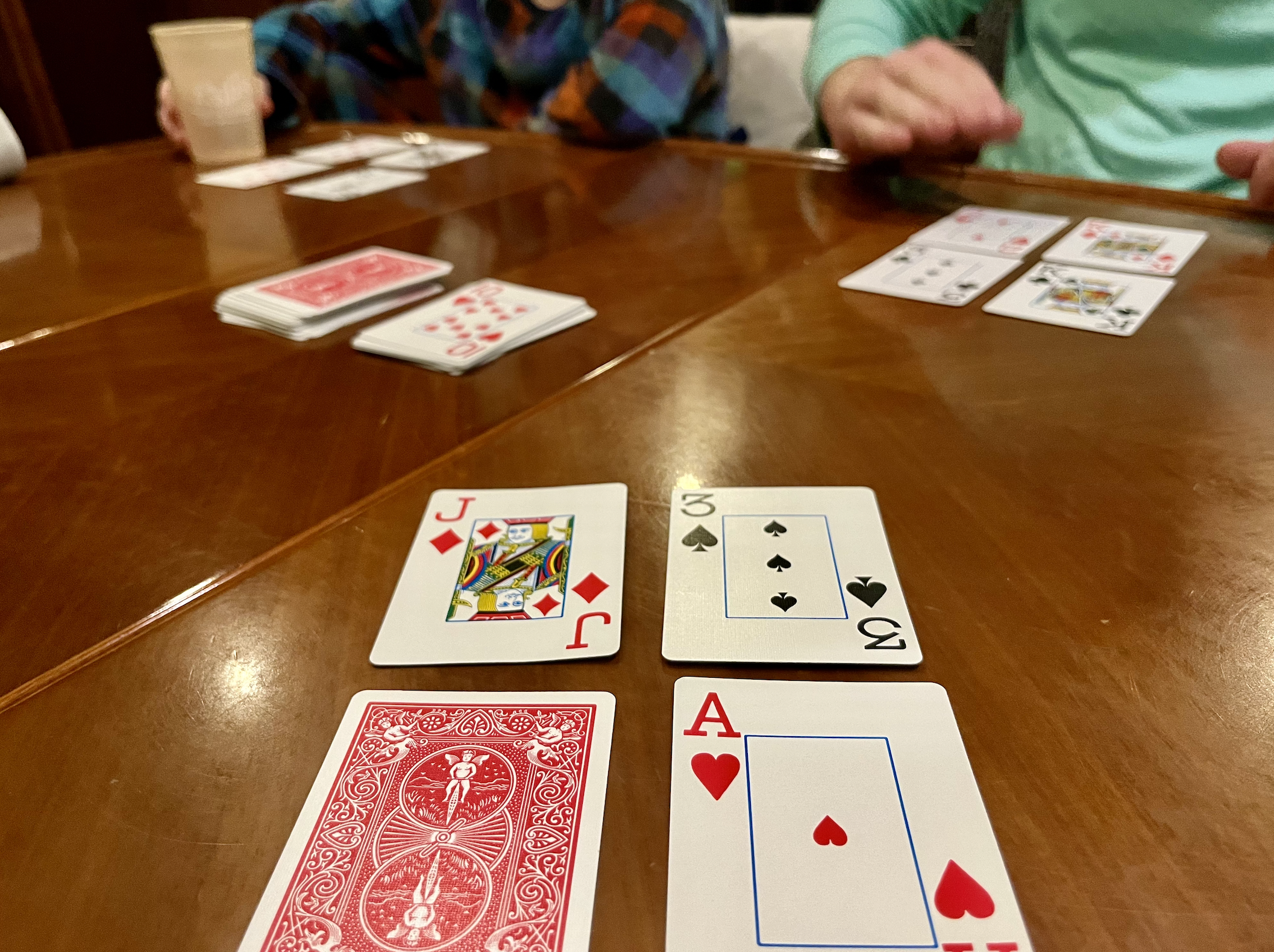
How to Play: 4-Card Golf
We recently learned the card game Golf, which was easy to teach to a group. It requires mostly luck and not a lot of skill. Despite your score mainly being out of your control, the game encourages math skills, social skills, and fine motor skills.
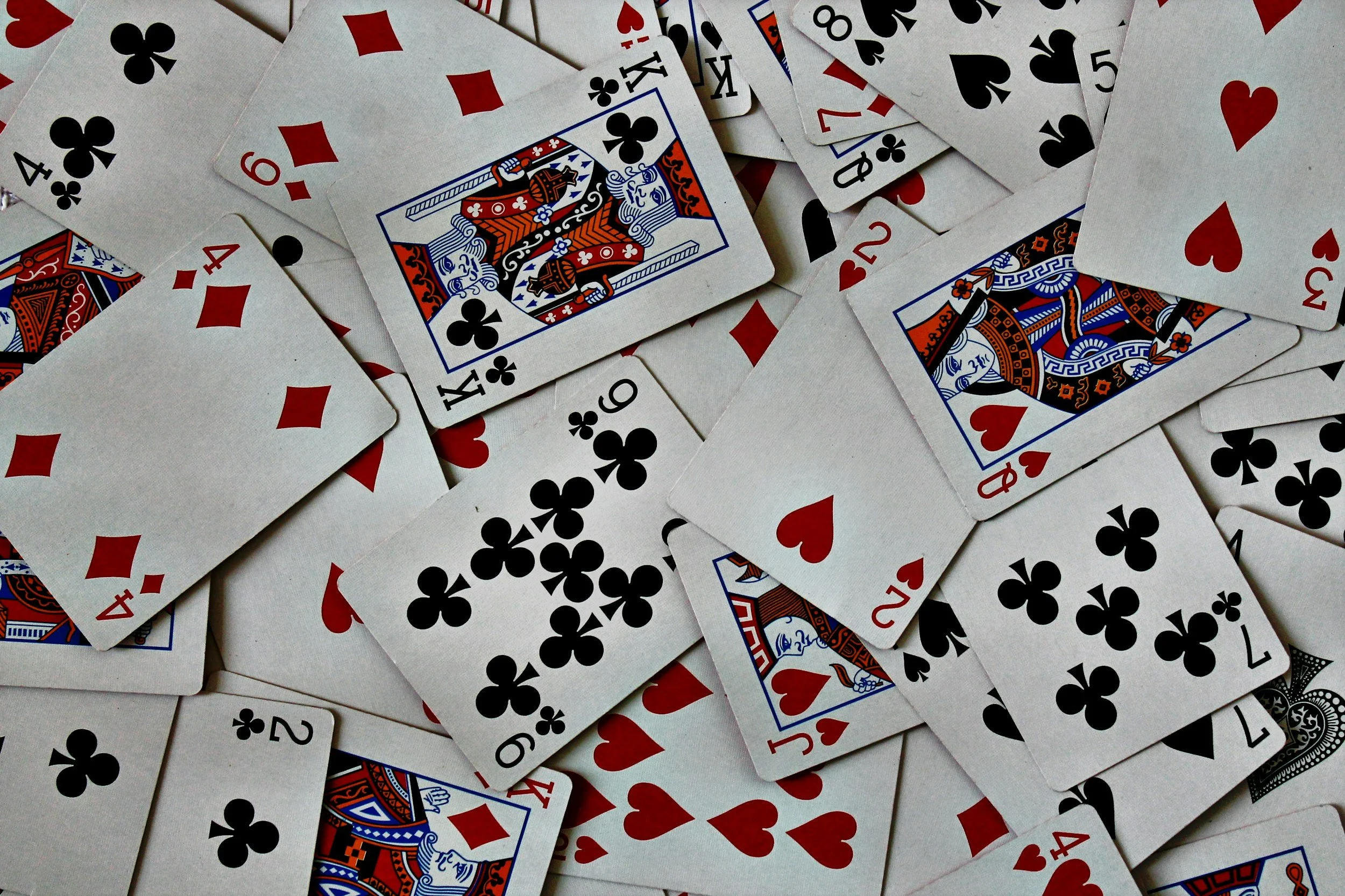
How to Play: Spoons
The card game Spoons has been a go-to when visiting new friends on another boat or hanging out with a group. This game is great for math skills, social skills, fine motor skills, and focus. Our kids love the fast pace, using sneaky strategies, and the excitement of getting a spoon before none are left.
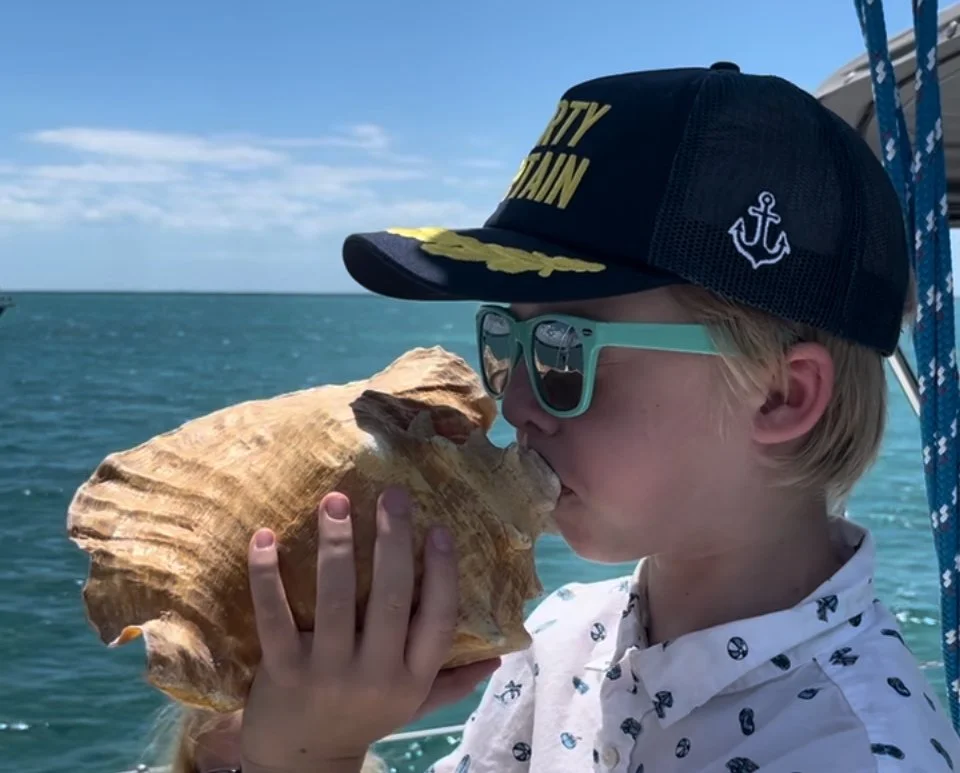
Conch Horns
As the sun dips below the horizon, a bright sound fills the air – the beautiful notes of conch horns echoing across the water. Conch horns have a long history that dates back to ancient civilizations, where they were used for communication, signaling, and ceremonial purposes. Conch horns became essential tools for sailors and fishermen, signaling important events, warnings, and celebrations.
Follow us on social
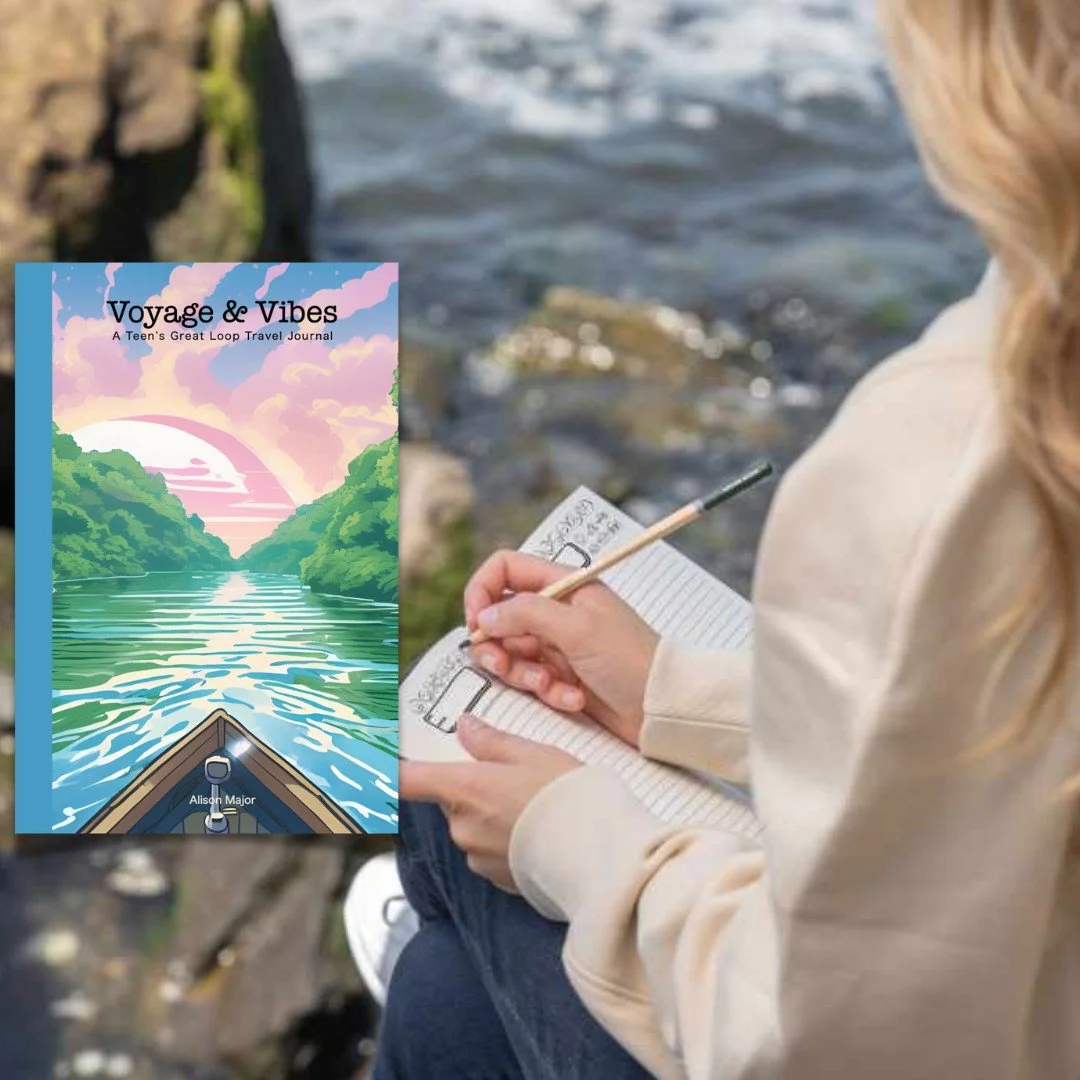
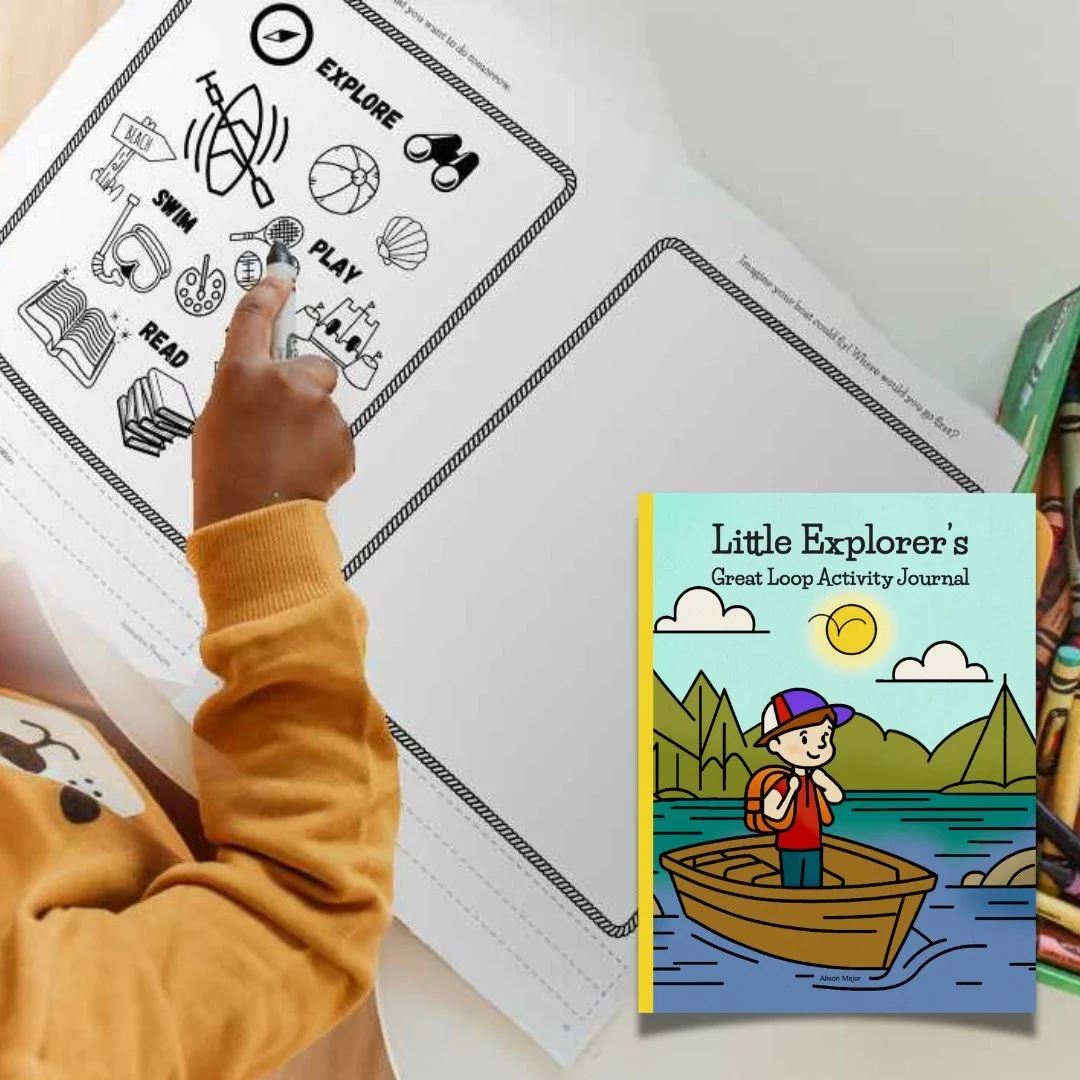
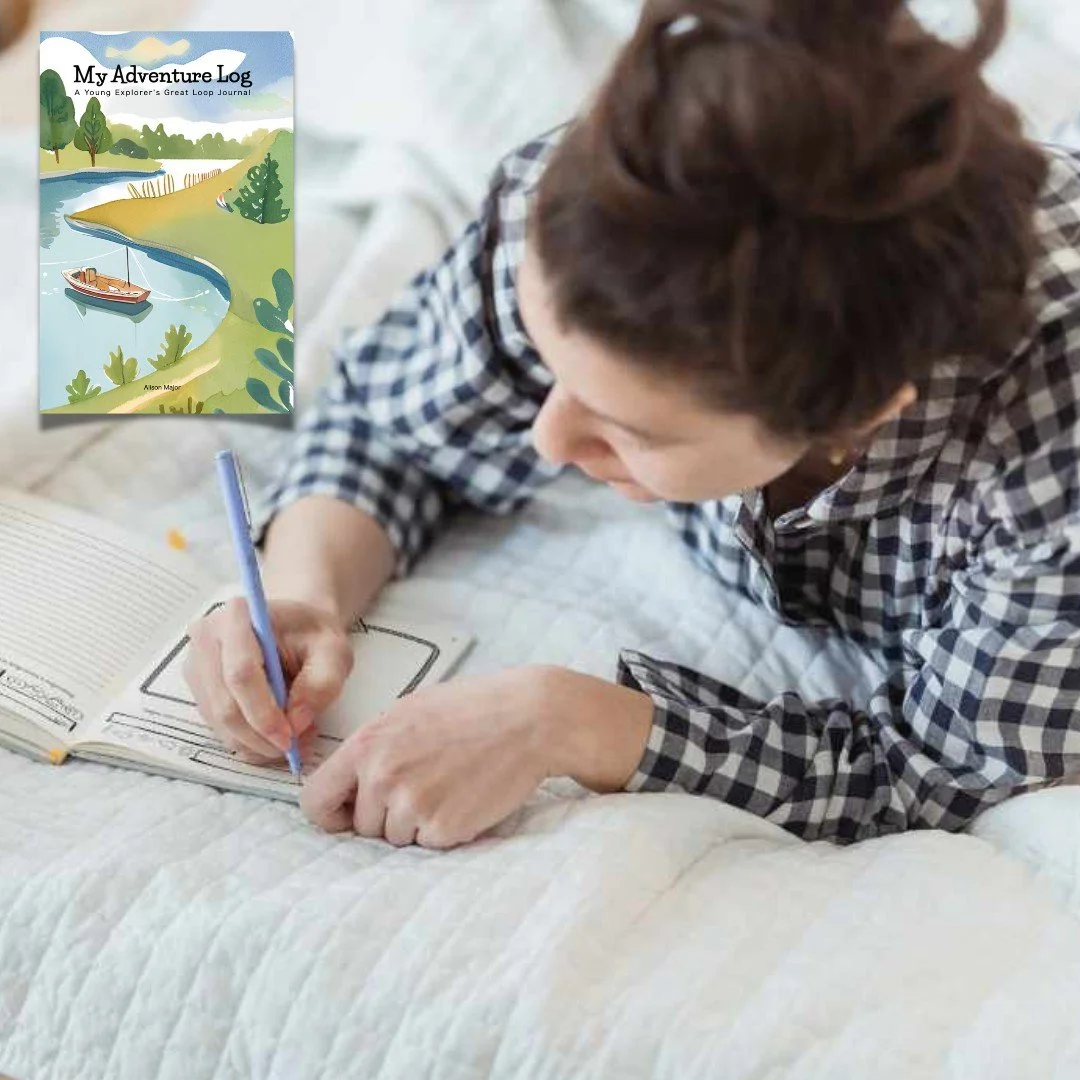
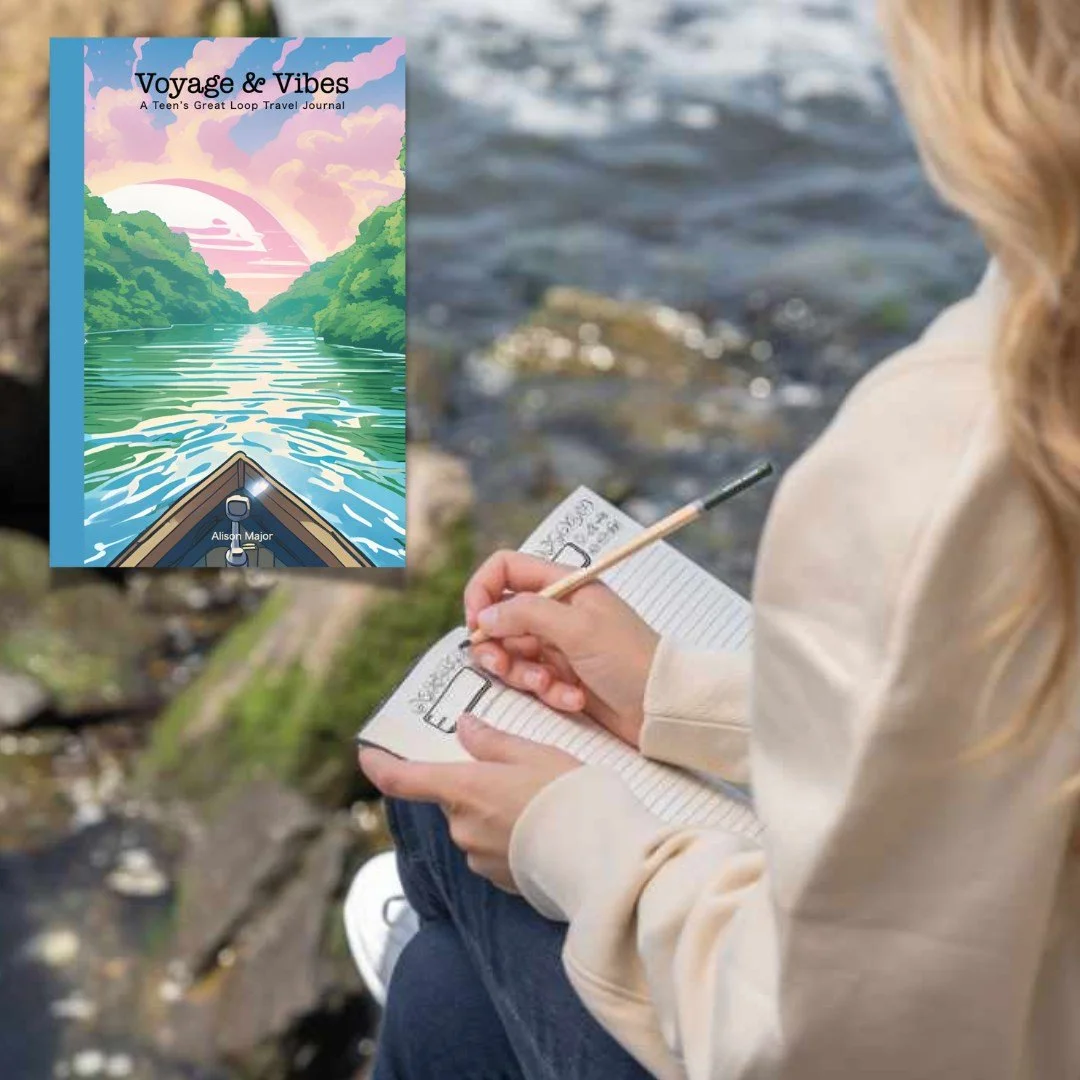
![What’s your adventure story?
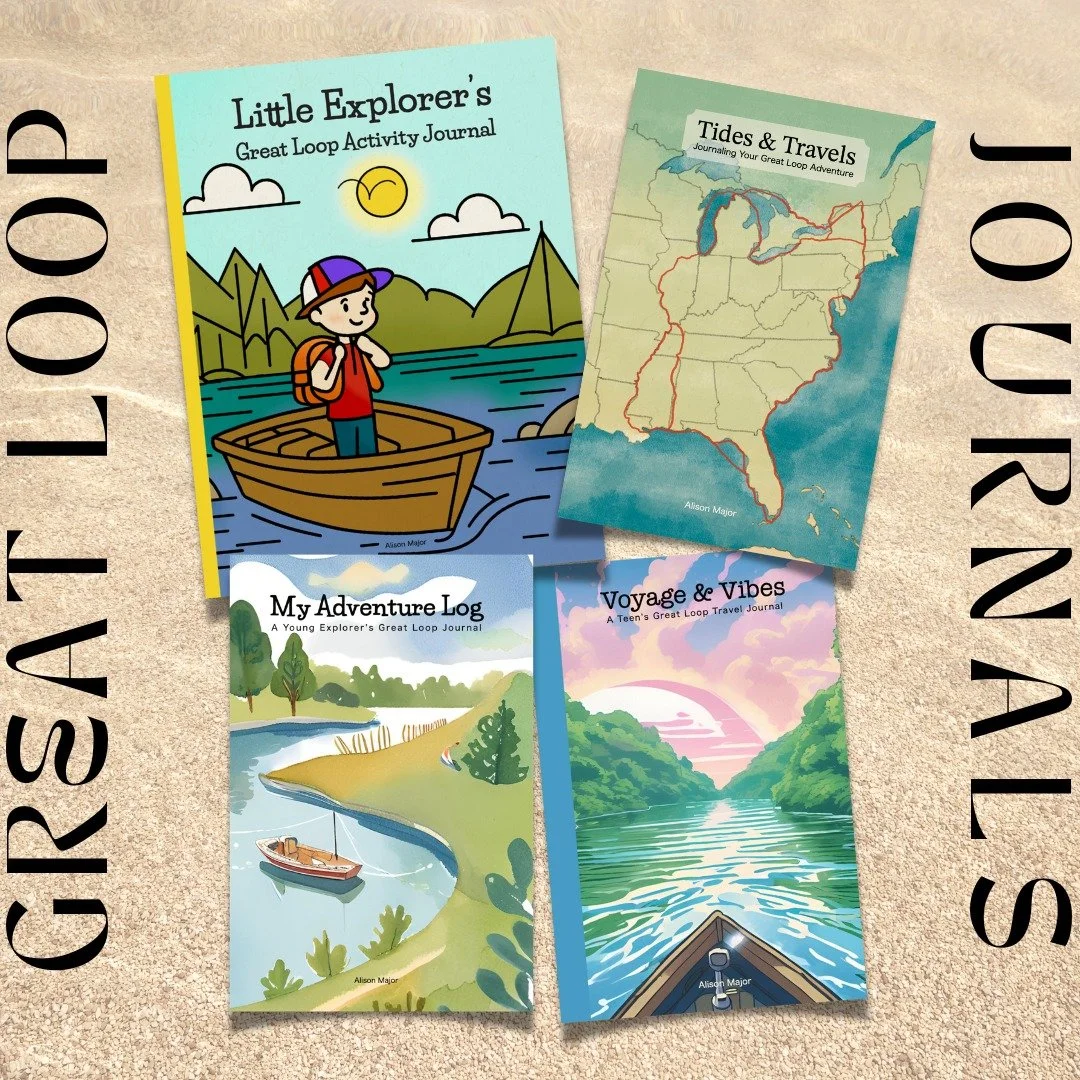
Start capturing yours today with our Great Loop Journals—created to keep every journey close to heart. 🌅✨
https://www.looplifeacademy.com/books/loop-life-academy [Clickable link in bio!]
#GreatLoopJourna](https://images.squarespace-cdn.com/content/v1/66781a8e84324035e9ac0557/1731684102475-K0YOXSIKOWRACHQSJUIN/image-asset.jpeg)